

California Advocate Clinton Mungary Extends Hand to Bangladesh: Virtual Collaboration Boosts Child Nutrition Efforts in Rural Communities
প্রকাশ: ২২ ফেব্রুয়ারী, ২০২৬
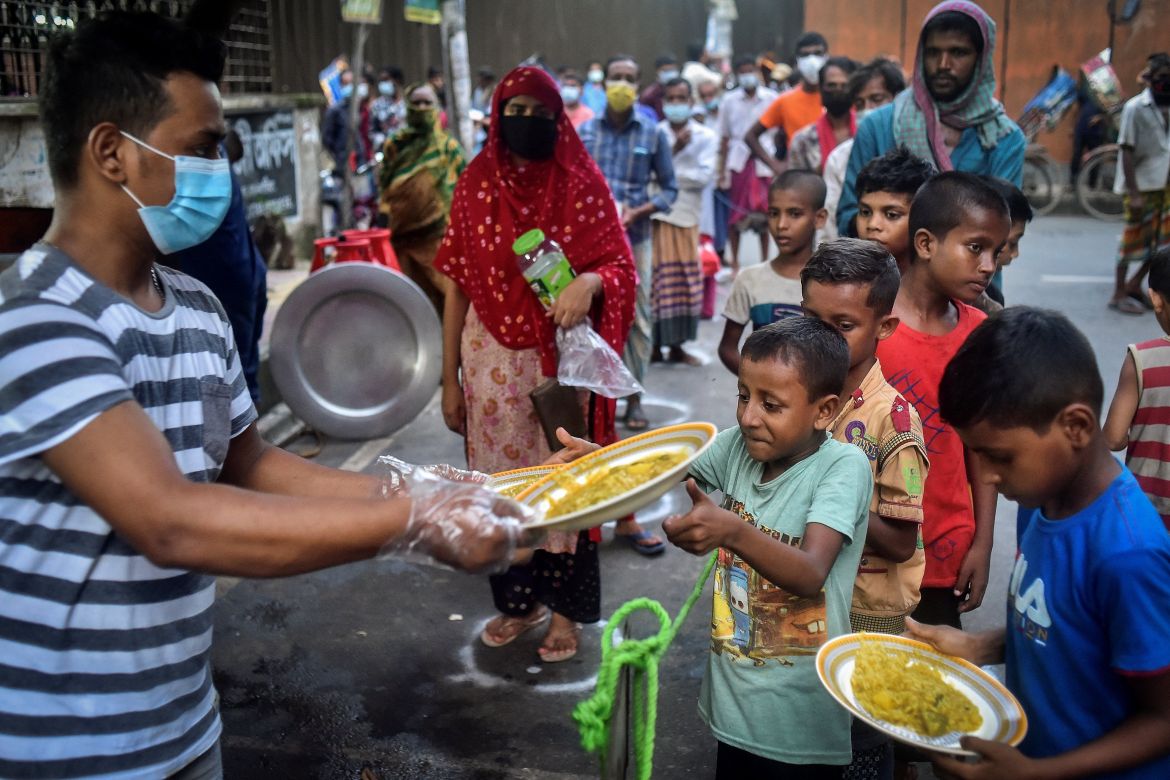
In a world where childhood hunger knows no borders, Clinton Mungary, a dedicated advocate from Bakersfield, California, is making a tangible difference in Bangladesh through innovative cross-continental collaboration. As Program Manager for Share Our Strength's No Kid Hungry campaign in California's Southern San Joaquin Valley, Mungary has long championed community-driven solutions to food insecurity in Kern County, where one in four children faces hunger. Now, his expertise is reaching Bangladeshi communities facing similar — and often more severe — challenges, offering hope and practical tools in the fight against child malnutrition.
Bangladesh continues to battle a persistent nutrition crisis. According to the latest Integrated Food Security Phase Classification (IPC) analysis released in 2025, approximately 16 million people are experiencing high levels of acute food insecurity, with a staggering 1.6 million children aged 6–59 months projected to suffer from acute malnutrition throughout the year. This includes nearly 144,000 severe cases requiring immediate life-saving intervention and about 1.4 million moderate cases. The Global Hunger Index 2025 ranks Bangladesh with a score of 19.2 (moderate hunger), while stunting affects around 25–28% of children under five, and wasting hovers near 10%. Despite notable progress in recent decades — driven by government programs, NGOs like BRAC, and international partners — rural and flood-prone areas remain particularly vulnerable, where access to nutritious meals, education on feeding practices, and sustainable resources is limited.
Enter Clinton Mungary. A Bakersfield native with a Master's in Public Administration from California State University-Bakersfield, Mungary has built his career on bridging gaps between policy, partnerships, and on-the-ground impact. In Kern County, he has coordinated with organizations such as the Boys & Girls Clubs of Kern County to expand summer meal programs, support nutrition coordinators, and distribute thousands of meals annually — even during extreme heat and rural isolation. His public advocacy, including a widely noted 2022 letter to The Bakersfield Californian emphasizing the role of consistent school lunches in child development and learning, has helped raise awareness and secure resources locally.
Inspired by global parallels, Mungary launched a virtual knowledge-exchange initiative in late 2025, connecting No Kid Hungry's proven strategies with Bangladeshi NGOs and community groups. Through a series of online workshops hosted via Zoom and local partner platforms, he and his team shared best practices on scalable meal distribution, nutrition education for parents, partnership-building with schools and clubs, and leveraging community networks for sustained impact. "Hunger solutions are universal at their core: Listen to families, empower local leaders, and focus on consistency and dignity," Mungary said in an interview with The Daily Star. "While contexts differ — California's Central Valley heat versus Bangladesh's monsoon floods — the principles of collaboration and community trust translate powerfully."
The initiative has already borne fruit. In partnership with Bangladeshi organizations focused on rural child welfare (including affiliates of established networks addressing malnutrition in districts like Sylhet, Barisal, and Khulna), Mungary facilitated the adaptation of No Kid Hungry's toolkit for local use. This included translated guides on non-congregate feeding during emergencies, simple nutrition monitoring tools for community health workers, and strategies for engaging youth volunteers — drawing from his Kern County experiences where "everybody knows everybody, and everybody looks out for everyone."
One highlight was a December 2025 webinar series that reached over 200 participants from Bangladeshi NGOs, government nutrition officers, and community leaders. Topics covered ranged from summer feeding models (adapted for Bangladesh's seasonal vulnerabilities) to digital advocacy tips for raising awareness on social media. Mungary personally led sessions on grant-writing and partnership sustainability, sharing real-world examples from his grants management background and No Kid Hungry collaborations. Participants reported immediate takeaways: One rural NGO in Rajshahi adapted a meal-planning template to incorporate affordable local foods like lentils, rice, and seasonal vegetables, while another in coastal areas integrated flood-resilient storage ideas inspired by California drought adaptations.
Beyond workshops, Mungary has helped facilitate resource support. Through No Kid Hungry's international outreach channels, small grants and in-kind donations (educational materials, training modules) have reached Bangladeshi partners, aiding pilot programs in high-need areas. "It's not about imposing solutions — it's about mutual learning," Mungary emphasized. "Bangladeshi organizations have incredible expertise in large-scale community mobilization; we're honored to contribute our piece and learn from theirs."
This cross-border effort highlights the growing role of diaspora-inspired and virtual collaborations in global development. Mungary, who also engages digitally on platforms like TikTok to share hunger advocacy stories and quick resource tips, reaches broader audiences — inspiring not just professionals but young people in both countries to get involved. His work underscores a key message: Individual leaders, armed with experience and empathy, can spark meaningful change far from home.
As Bangladesh pushes toward Sustainable Development Goal 2 (Zero Hunger) amid climate pressures and economic strains, contributions like Mungary's remind us of the power of shared knowledge. In Kern County or rural Bangladesh, the goal remains the same: No child should go hungry, and every community deserves the tools to thrive.
আরও পড়ুন
Lading . . .

জনপ্রিয়